




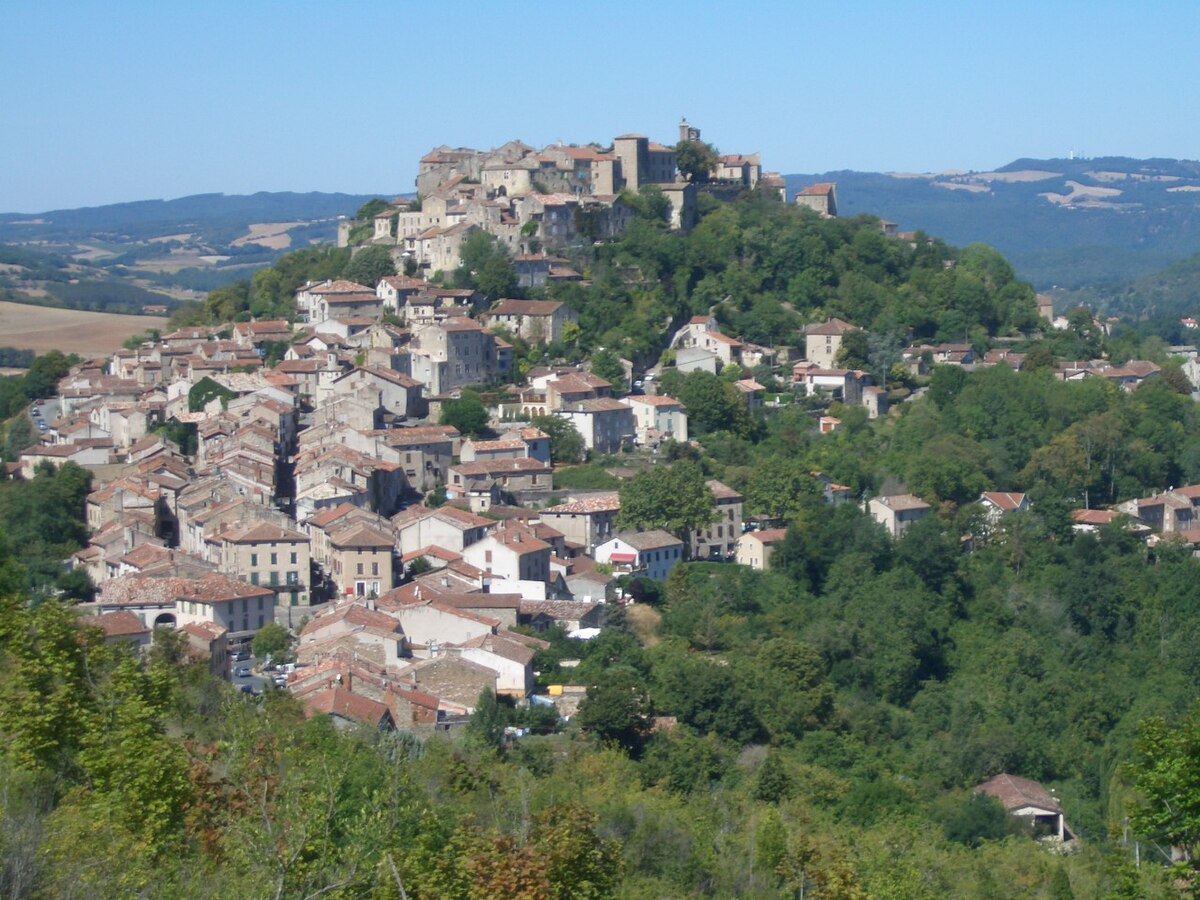
The town of Cordes-sur-Ciel, located in the Tarn, benefits from an exceptional architectural heritage and attracts many visitors throughout the year.
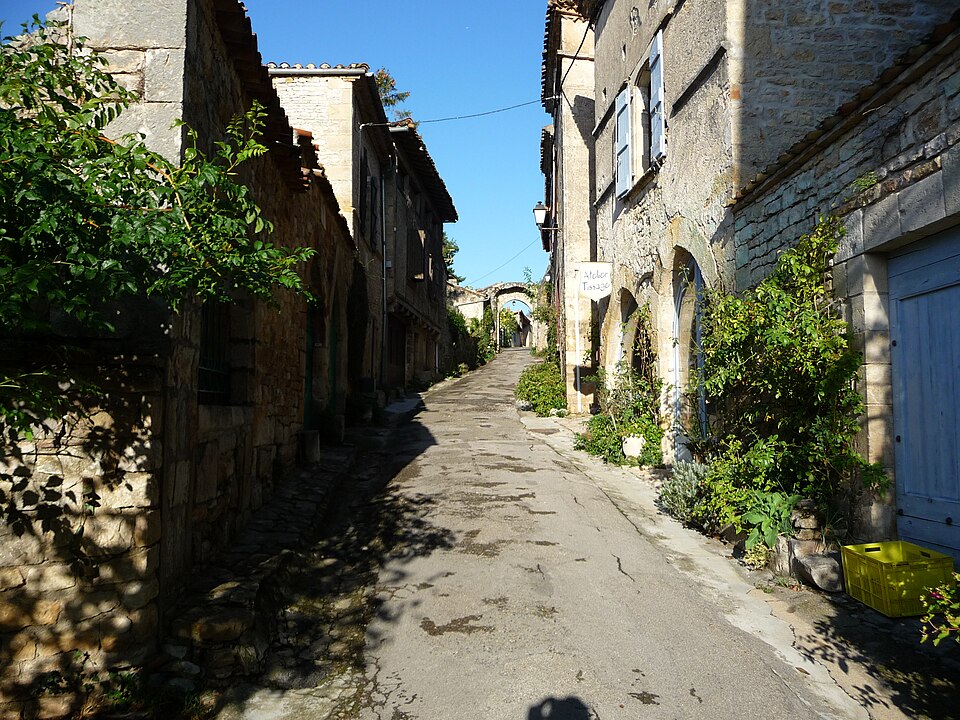
However, the high tourist attendance, combined with limited public transport and a narrow urban fabric, creates traffic and parking difficulties in the old center.
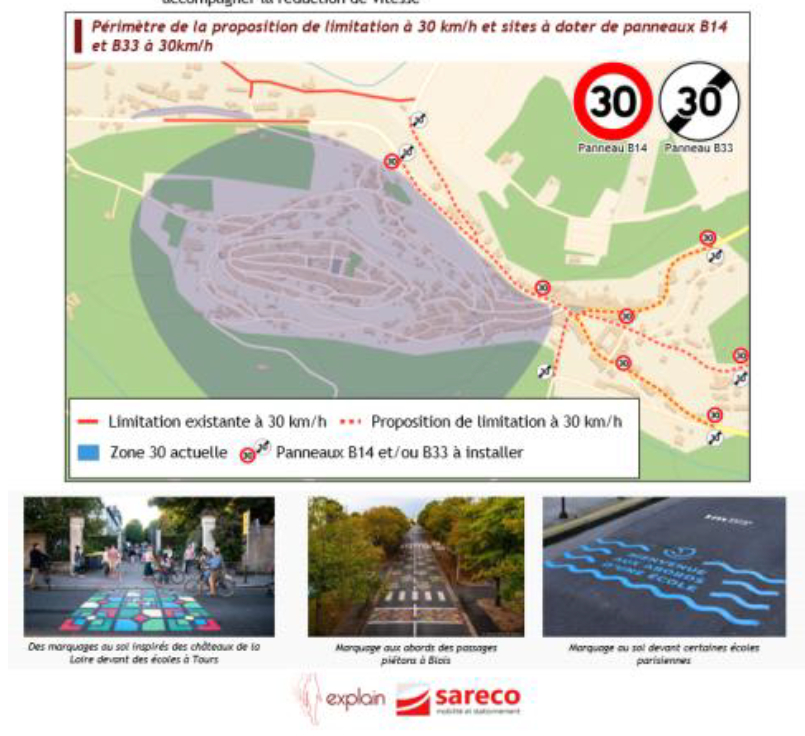
In this context, Explain conducted a mobility study aimed at rethinking traffic in the upper town and at strengthening the overall accessibility of the site.
The approach was structured in two main stages:
The mission combined technical expertise and participatory consultation, in order to guarantee the feasibility and ownership of the project by residents and local economic actors.
The aim of the study was to redefining traffic in the ancient center by reconciling the needs of residents, visitors and economic operators.
The main objectives were to:
The study allowed Cordes-sur-Ciel to have a comprehensive decision support tool, combining diagnosis, scenarios and action plans.The participatory approach led by Explain has encouraged The support of elected officials and inhabitants, guaranteeing a concerted implementation of future measures. By reconciling heritage, attractiveness and sustainable mobility, the project offers a balanced vision of the development of the historic center.
With this study, Explain demonstrates its know-how in complex heritage and tourism contexts, where mobility must balance with the preservation of the built environment.The work conducted in Cordes-sur-Ciel illustrates the relevance of an approach combining technical expertise and local consultation, to build realistic solutions adapted to sites with high identity value.





%20(1).webp)