

.jpg)



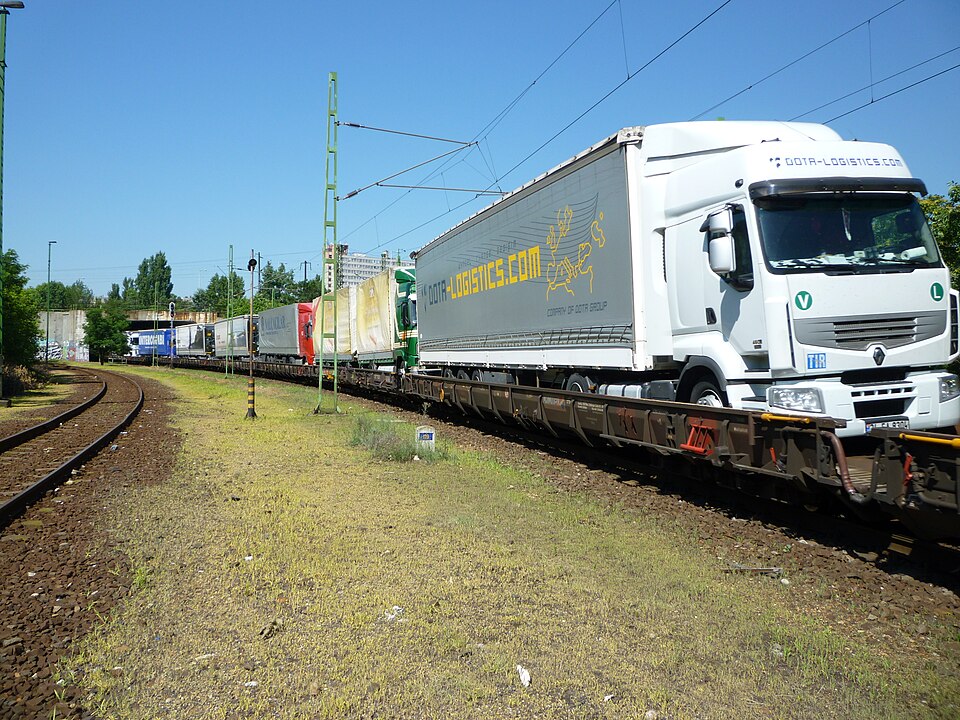
The rise of sustainable logistics and the European objectives for the decarbonization of transport have led to the strengthening of tools for the analysis of combined rail-road and river-road transport.
In this context, Explain was commissioned to build the 2019 reference matrices of the national combined transport model, for the services of the State and its partners.
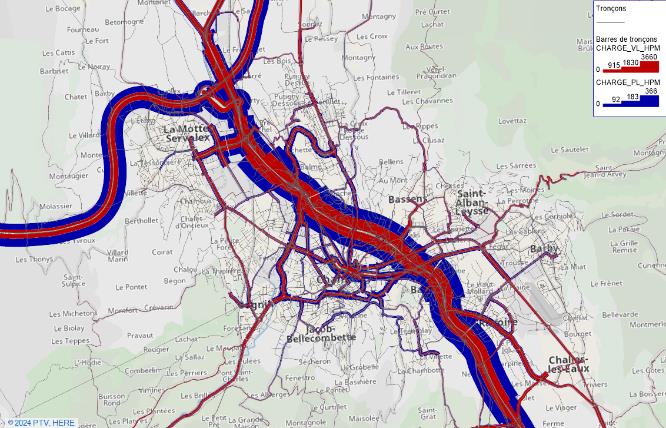
The work consisted of reconstitute and harmonize the flow of goods between French regions and border countries, all modes combined (road, rail, river and combined).
These flows were disaggregated by type of goods, distance, origin-destination and mode, and then integrated into a multimodal database compatible with existing road and rail traffic models.
The resulting matrices describe for each OD:
The objective is to have a homogeneous and calibrated data base to analyze logistics flows, identify corridors with high potential for modal shift and simulate the effects of public policies (investments in terminals, carbon taxation, pricing incentives).
This model is also a Basic building block for the 2030-2040 outlook, making it possible to assess the impact of energy transition scenarios and infrastructure developments on the distribution of goods flows in France and Europe.
The objective of this mission was to provide a robust modeling framework for combined transport, by establishing a precise inventory of logistical exchanges by 2019.
Explain aimed to:
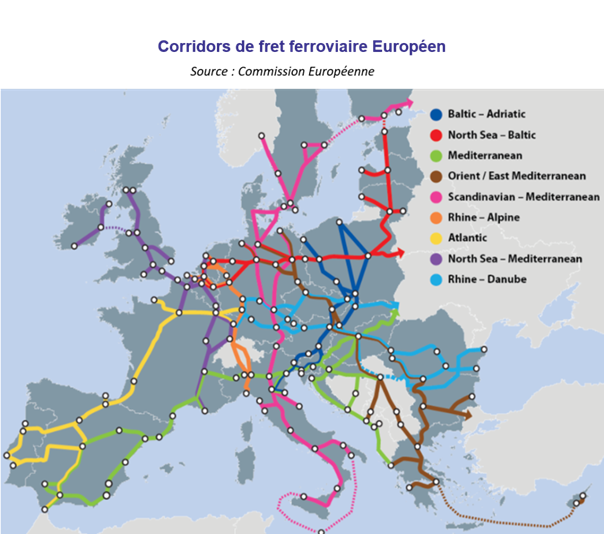
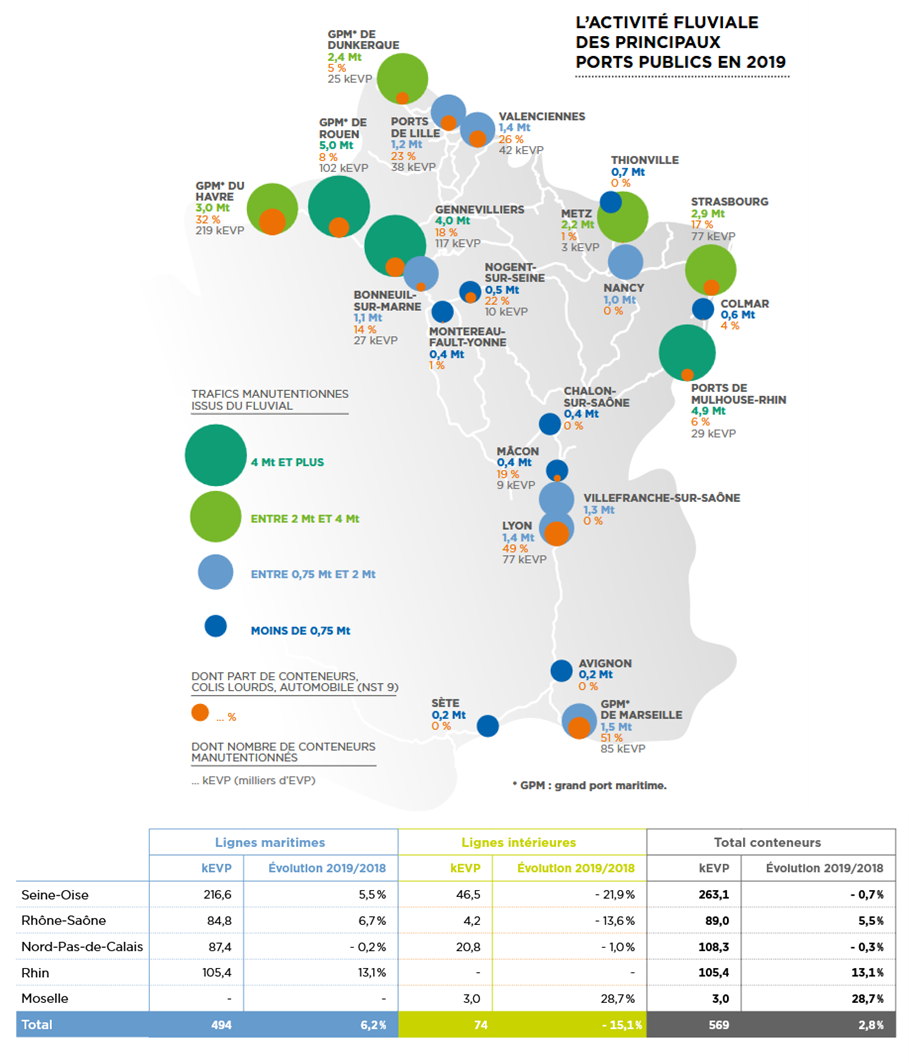
The model offers a integrated vision of the French logistics system, covering both domestic and European flows and major transit corridors. It allows quantifying environmental and economic gains associated with a modal shift to rail or waterway and to prioritize the levers of action according to their territorial efficiency.Thanks to its open structure and its compatibility with existing regional models, it constitutes a reference tool for prospective and socio-economic evaluation studies related to freight transport.
The combined transport model developed by Explain marks an important step in understanding multimodal logistics flows in France. It provides public actors with a strategic tool for infrastructure planning and the ecological transition of freight, while strengthening the coherence between national and European sustainable mobility policies.






%20(1).webp)