


.png)


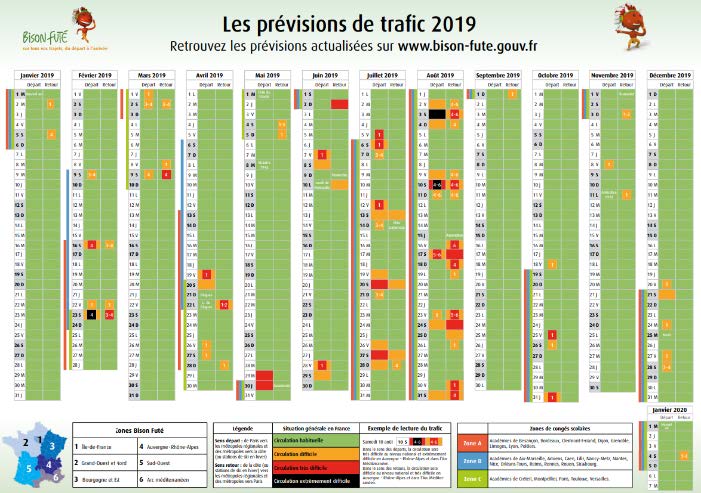
Created in 1976, the service Smart Bison is based on a historical model for forecasting road traffic based on analog statistical approaches. This methodology, effective in a stable context, showed its limits in the face of the rapid evolution of mobility practices and the availability of new massive data.
In collaboration with the DGITM, Explain Has driven a complete revisit of the forecasting model, aiming to modernise it using techniques from Machine learning. After a comparative evaluation of several algorithms (neural networks, SVM, etc.), the choice fell on random forests, particularly adapted to calendar and mixed data (categorical and quantitative).
The algorithm developed now allows:
This project illustrates Explain's ability to reconciling scientific rigor, methodological innovation and operational applicability, by providing concrete solutions to national traffic forecasting challenges.
The main objective of the project was to modernizing the Bison Futé national forecast chain, by making it more efficient, smarter and more adaptable to changes in mobility.Explain aimed to replace a rigid statistical approach with a model based on machine learning, capable of capturing the complexity of travel behaviors and integrating new parameters on an ongoing basis.This modernization work should also make it possible to improve the geographical coverage of the model and to reinforce the reliability of the forecasts provided to users and network managers.
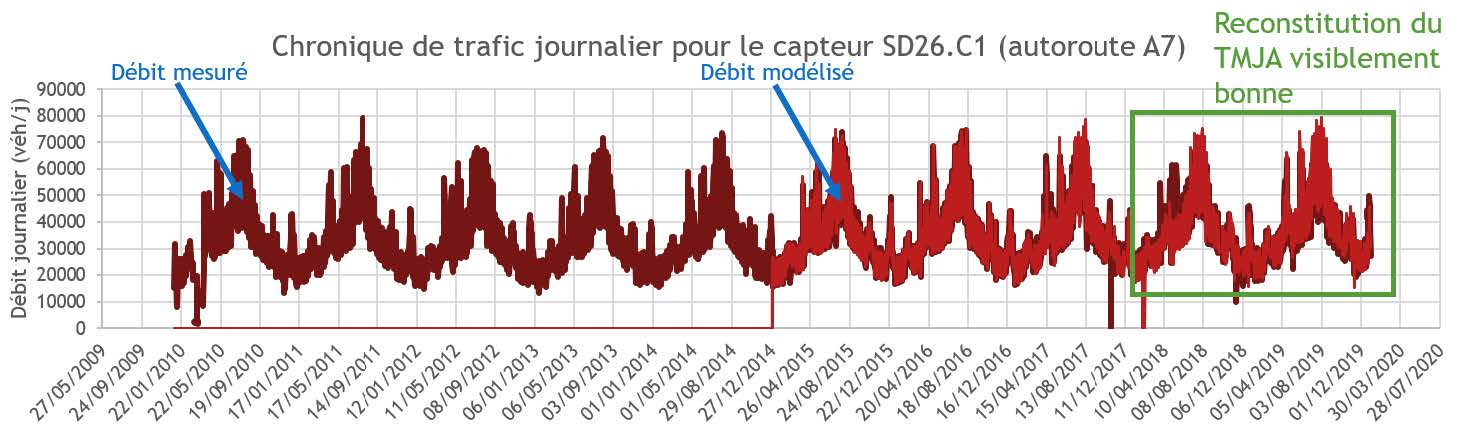
The new model developed by Explain offers a average improvement of 15 to 20% in forecast accuracy and makes it possible to process more than twice the number of count points than before. Its non-parametric architecture, based on random forests, makes it more robust in the face of incomplete data and more responsive to changes in traffic.By integrating contextual variables (events, weather, congestion), it produces forecasts finer, more realistic and directly usable for travel planning, general public communication and infrastructure management.In addition to its technical performances, this project illustrates the capacity ofExplain unto combining scientific innovation and operational application, in the service of more reliable and smarter public mobility policies.
With the modernization of the Bison Futé model, Explain demonstrates its role as national reference in mobility modeling.This project marks a key step in the integration of artificial intelligence in the service of traffic management and illustrates how data and applied research can transform iconic public tools.





%20(1).webp)