

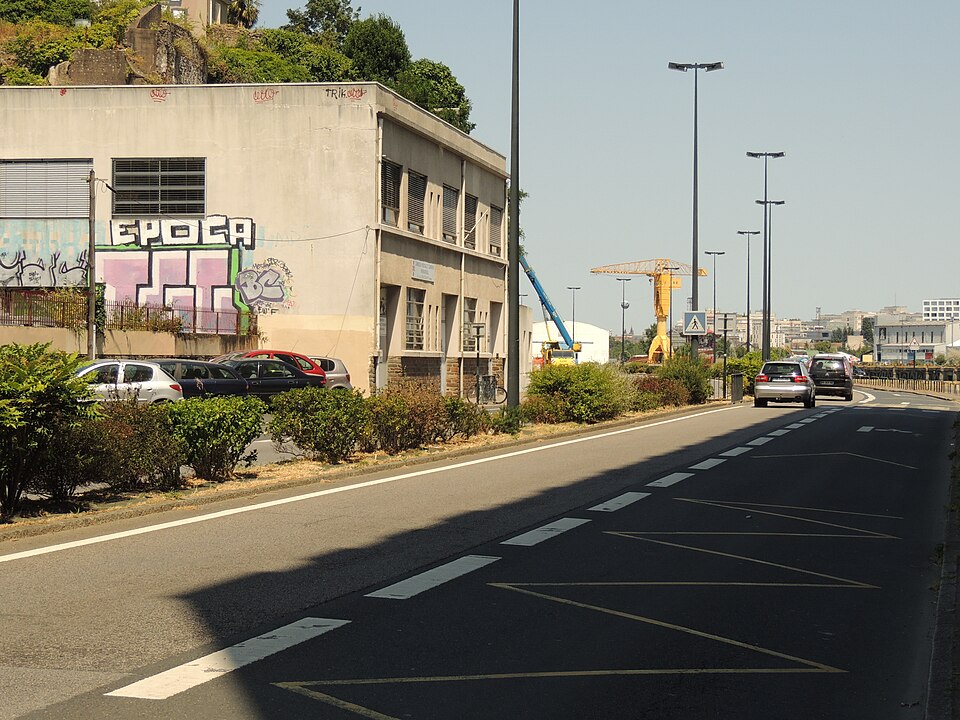



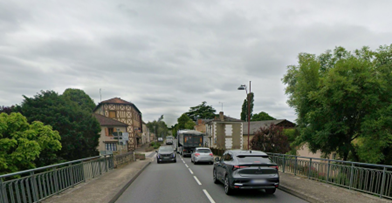
La RN147, connecting Limoges to Poitiers, constitutes a strategic axis in central-western France, essential to interregional services and to the opening up of the territories crossed.
Marked by significant accidents and penalizing travel times, it is the subject of recurrent reflections on its layout.
In this context, the DREAL New Aquitaine Missioned Explain To drive a opportunity study integrating a multicriteria analysis and a comparative socioeconomic assessment of the various possible scenarios.
The mission consisted of four main stages:
The study provided DREAL with objective and documented basis of analysis, making it possible to frame investment choices and to engage in dialogue with local authorities and central services.
The mission aimed to support DREAL in a An informed decision on the future of RN147, based on technical, economic and environmental criteria.
The objectives were to:
The study conducted by Explain allowed to Clarifying the possible layout choices, providing a balanced vision between territorial development and environmental preservation. The evaluation methodology adopted has promoted a transparent and comparable reading of scenarios, facilitating decision-making by state services. This approach has also strengthened the coherence between national infrastructure policies and regional sustainable mobility goals.
Explain carries out an objective assessment of the opportunity of itineraries, allowing local actors and the State to decide whether or not to develop one or more sections of the itinerary between Poitiers and Limoges. This study thus makes it possible to shed light on the debates on the basis of costs and revenues and the advantages and disadvantages of the project, taking into account externalities, in particular environmental and road safety.




.jpg)


%20(1).webp)