




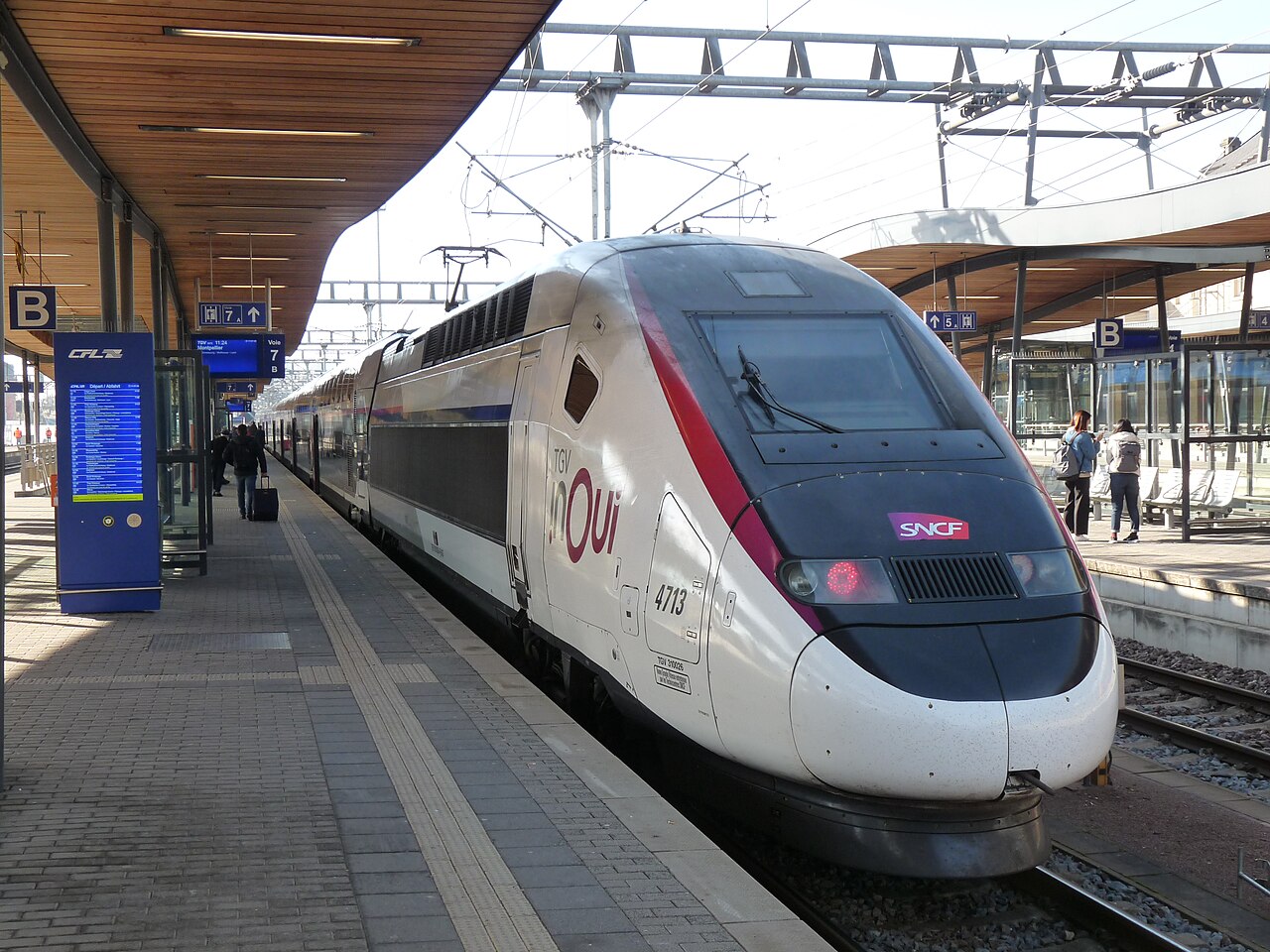
The Paris — Gare de Lyon railway complex hosts a exceptional diversity of circulations : TGV, RER D, Transilien line R, TER Bourgogne, TET Auvergne and freely organized services.
Les current infrastructure boundaries, reinforced by aging signalling and control equipment as well as by insufficient storage capacities, generate operational malfunctions, going as far as the transfer of regional trains to platforms initially dedicated to high speed.
To meet these constraints, SNCF Réseau is carrying out a structural modernization project including:
In this context, Explain is responsible for developing the economic and social evaluation file And the socio-economic balance of the project.
Two graduated intervention scenarios are analyzed and compared, corresponding to two levels of development of the RER D offer.
Beyond the classic gains in Travel time And in frequency, the analysis includes:
These effects are quantified and monetized in accordance with the methods defined by the DGITM toolsheets, in order to be integrated in a robust manner into the socio-economic balance sheet.
At the end of the mission, SNCF Réseau has a comprehensive socio-economic assessment, combining qualitative, quantitative and monetized analysis.The file also includes a risk mapping, facilitating the critical analysis of the project.This evaluation constitutes a solid foundation for public decision-making, prior to the referral of the General Secretariat for Investment (SGPI) as part of the independent counter-expertise.
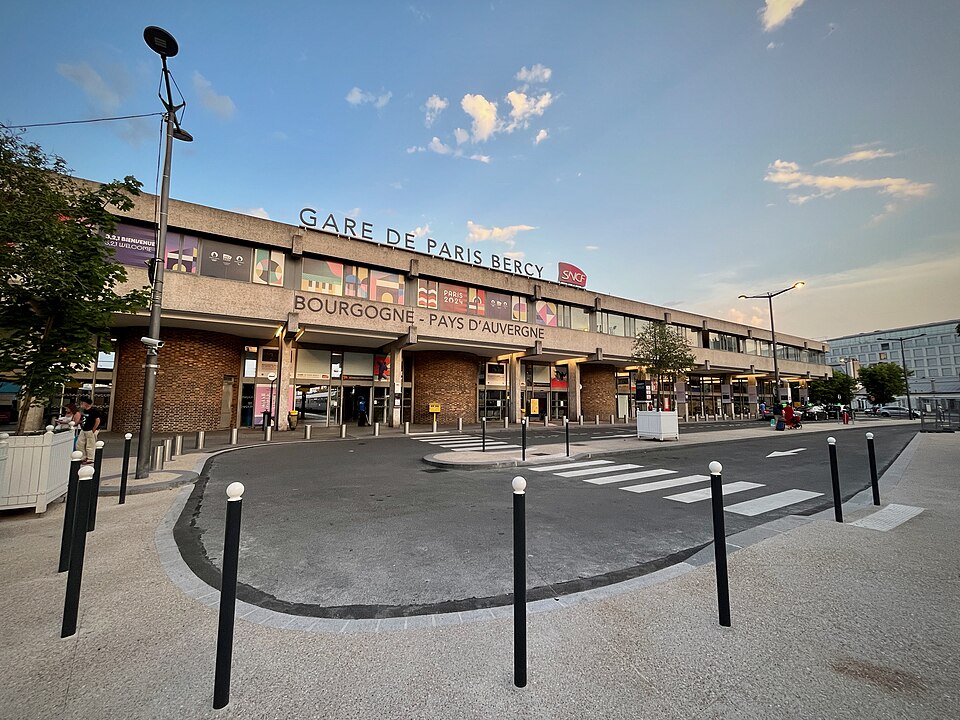
This mission illustrates the ability toExplain to intervene on major railway projects in a constrained environment, by mobilizing in-depth expertise from national evaluation references.The ESE of railway modernization in Bercy contributes to Enlighten investment choices and to secure the integration of the project into the public inquiry procedure.





%20(1).webp)